Wednesday, March 13, 2019

Tuesday, March 12, 2019
8 Questions for Elisabeth Anisimow
By Kio Herrera
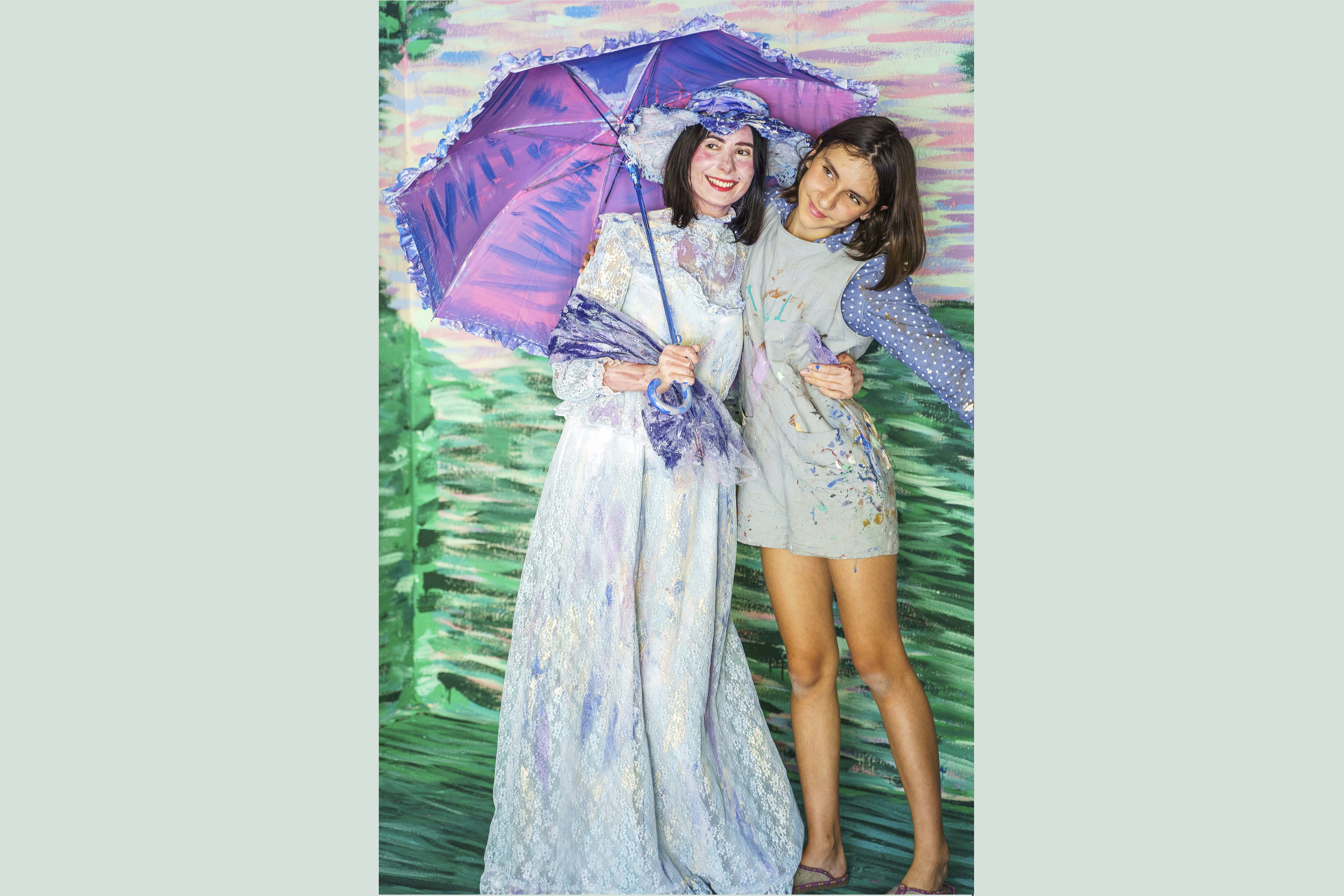 |
| Elisabeth Anisimow (right) poses with a Living Art model. |
Twelve-year-old Elisabeth Anisimow started painting as a toddler. Now her work has been seen around the world, including at the International Museum of Children’s Art, in Norway. The California-based artist spoke with TFK’s Kio Herrera about her process and her Living Art series, in which she paints live models in historical settings.
1. You’ve accomplished so much as an artist—and you’re only 12! How did you get interested in painting?
I started painting at a very young age. I’ve always enjoyed going to museums and art exhibitions—anything related to art.
2. What’s the best part of being a painter? And what’s the hardest part?
The best part of being a painter is that I can express myself. There’s no real limit in the world of art, except the edge of your canvas, of course! But then there are other canvases you can use instead. Being a painter is a lot of work, but so is any other kind of creative process.
3. What art has inspired you?
I’ve been inspired by impressionism and artists such as Edgar Degas and Pablo Picasso. I like all the colors and the different styles they use.
4. What does a normal day look like for you?
I start by doing schoolwork. Once I’m done, I go to my garage and measure everything out before setting up my work space. Sometimes, I go to a thrift store to look for props or costumes. I take time to look around and figure out what fits with the piece I’m working on. Usually, I already have an idea of what I want to do. I kind of get a rush from the creative process.
5. We’d love to know more about your Living Art series. How long does it take you to create a portrait?
It’s a long process. I usually start with an idea. Then I try to find items and clothing that would match the time period, such as the Renaissance. Other times, I see something in a store and it changes my original idea completely. But every portrait brings something different and new to the process.
6. How do you choose which model will appear in each Living Art painting?
People usually contact me to be in my paintings. But when I get to choose, I try to imagine how the person would look in the time period that my painting is set in.
7. Your artwork has been auctioned off for charity. Can you tell us about that?
Charity work is really important to me. It makes me feel excited and proud to know that my artwork is helping people. I recently created a sculpture called Wonder Heart that took me a month to complete. It was auctioned off to raise money for the Loma Linda University Children’s Hospital, in California.
8. Do you have any advice for kids who want to become professional artists?
Believe in yourself, and believe in your work. There will always be people who will like your work and others who won’t. Follow your heart.
Monday, March 11, 2019
Saturday, March 9, 2019
Out of This World
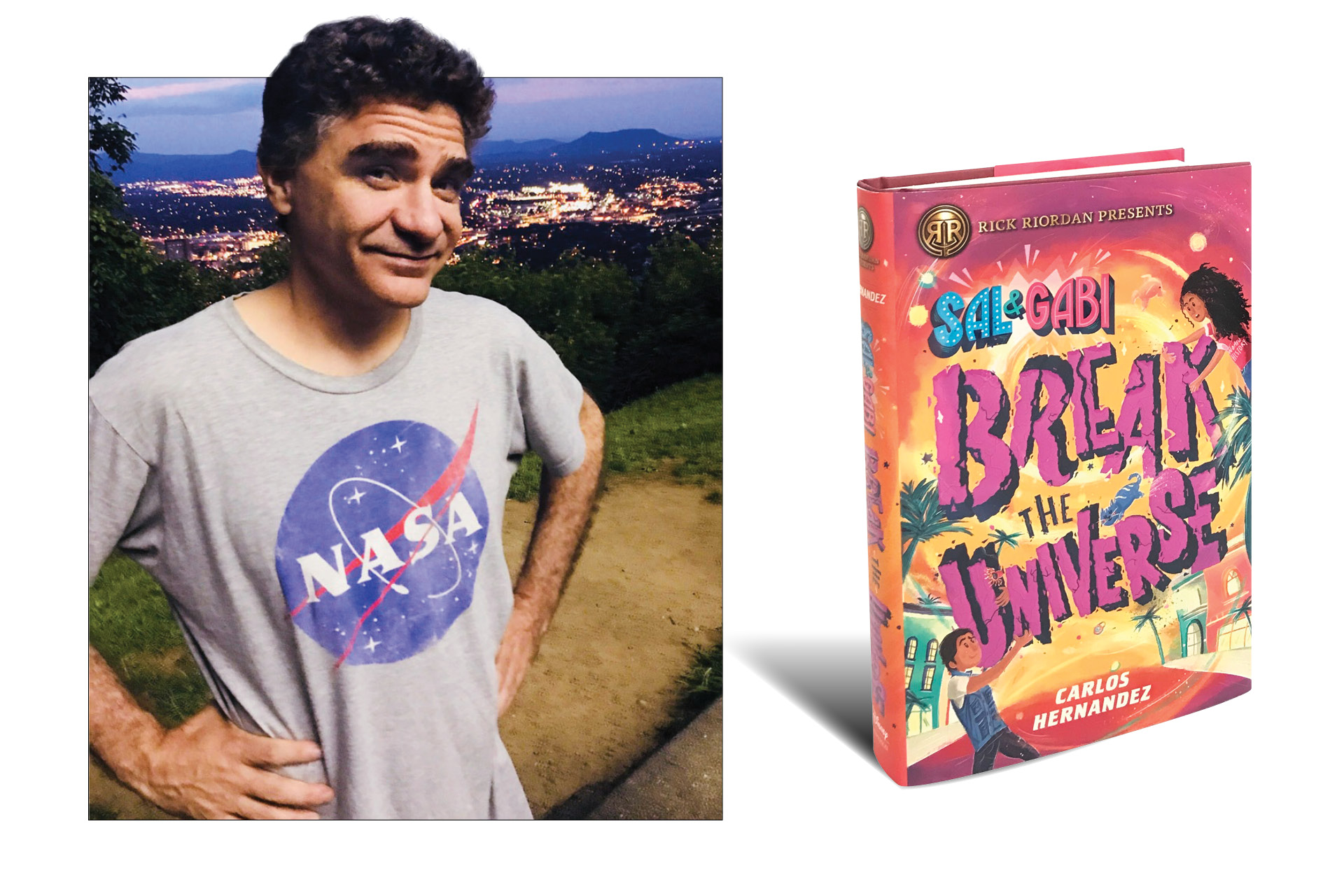
In Sal & Gabi Break the Universe, Gabi Reál has a mystery to solve: Who put a raw chicken in her friend’s locker? Gabi suspects the new kid in school, Sal Vidón. But as she investigates, Gabi discovers Sal’s big secret. He has the power to break through the here and now, opening a portal into another universe. Gabi joins Sal as he manipulates space and time. But they both soon learn that these adventures come with risks.
 |
| FROM LEFT: DISNEY BOOKS; STEPHEN BLUE FOR TIME FOR KIDS |
Author CARLOS HERNANDEZ loves science fiction. “It’s the genre that opens up my brain and heart the most,” he told TFK. But he also enjoyed a more down-to-earth element of the story—friendship. “The people you meet out in the world can become your family, just by being there for you when you need them,” he says.
Friday, March 8, 2019
Should Kids Have to Go to School Online on a Snow Day?
January 25, 2019
 |
| ANASTASIIA SHAVSHYNA—GETTY IMAGES |
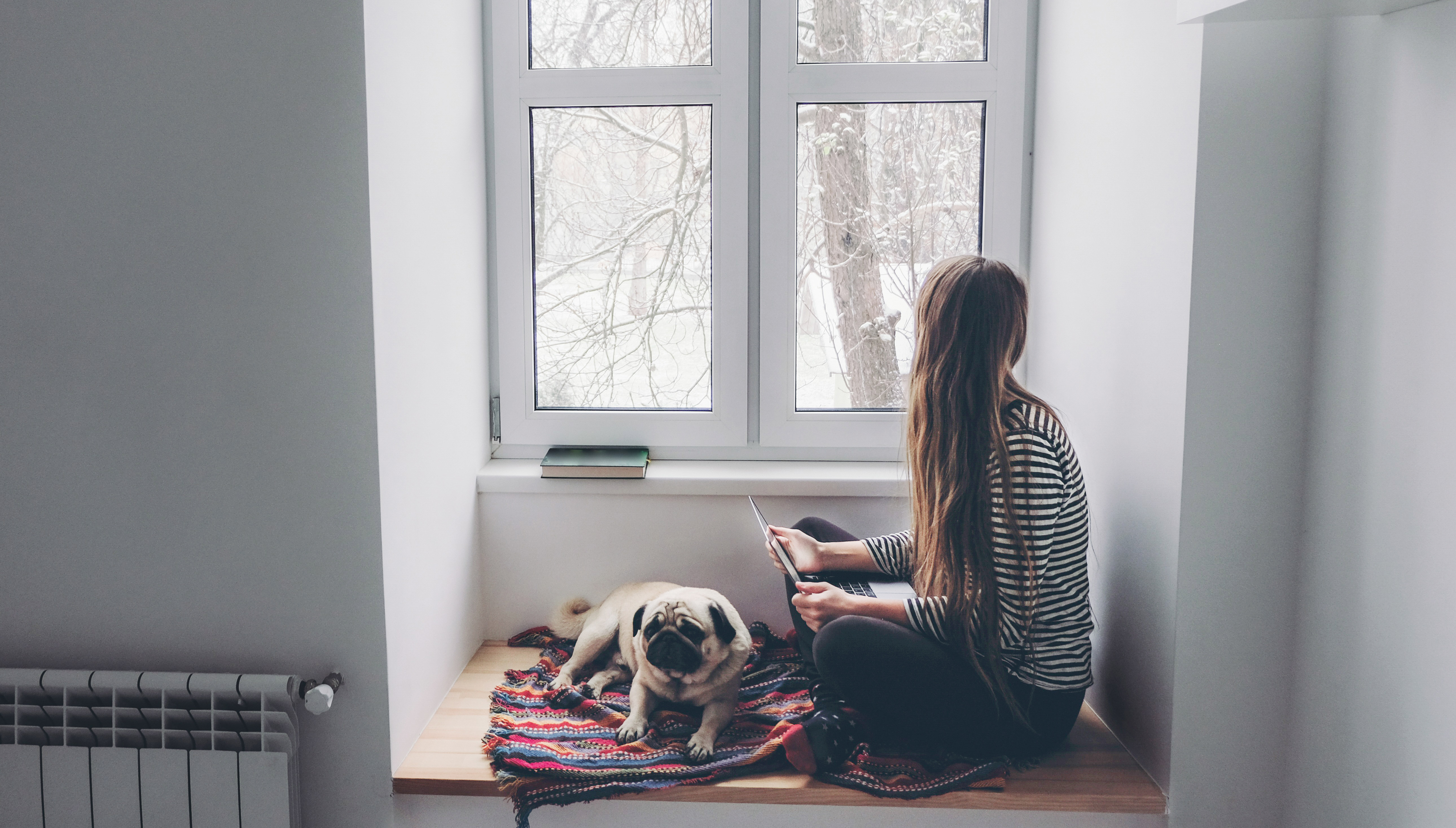
For many kids, a snow day is cause for celebration. Instead of going to class, they can have snowball fights or go sledding. But snow days are a thing of the past in one South Carolina school district. Anderson School District 5 is the latest of several districts nationwide to replace snow days with classes online.
With e-learning, students log on to a computer to do assignments at home. E-learning is meant to keep the school year on track and reduce the need for makeup days in the summer. But not everyone thinks this is necessary. How would you feel if your school replaced snow days with online learning? Here, two TIME for Kids readers share their views.
YES!
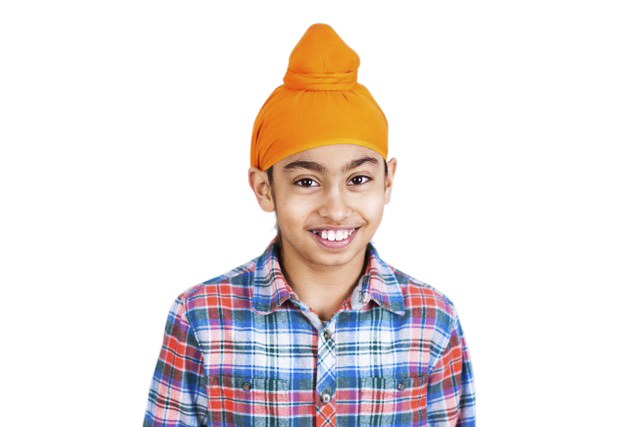
by Raunak Singh, 10
Fair Lawn, New Jersey
 |
| COURTESY MANDEEP SINGH |
I think kids should go to school online on a snow day. When there is a blizzard or a heavy snowstorm, school is closed and kids have nothing to do but watch television and play video games because they can’t go outside. How boring! If students could attend school online on snow days, they would have something productive to do. On a snow day, parents would like to see their kids doing something other than lying around on the couch. With e-learning, kids would still get time to play in the snow, but they would also have something to do when they were stuck in the house. Attending school online lets kids learn new things while sitting at home on their comfy couch. E-learning on snow days is a welcome change for parents, students, and teachers.
NO!
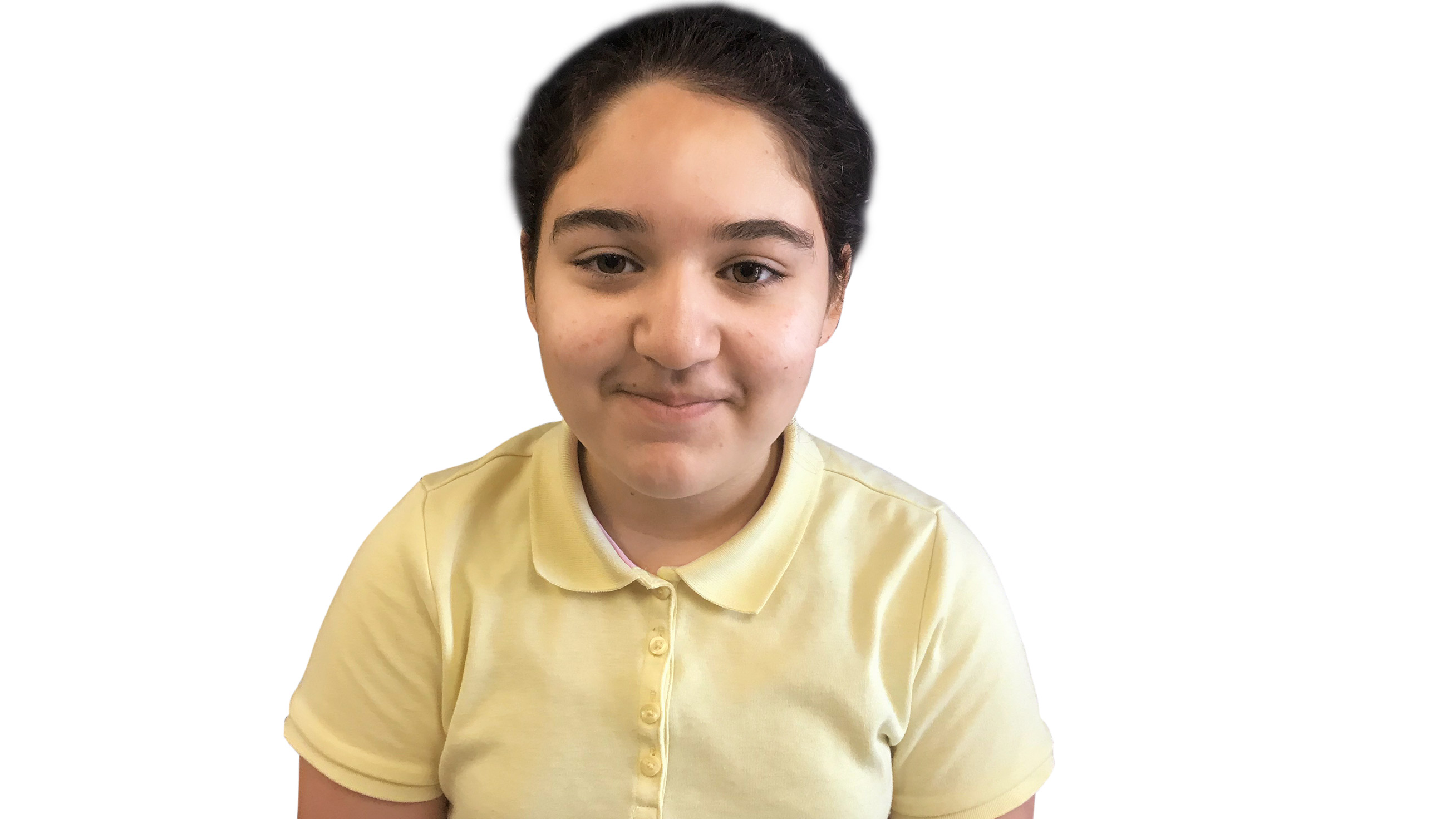
by Gabriela Quesada, 10
Miami, Florida
 |
| COURTESY CASTELLANOS |
Kids need to go to school, but they should not have to go to school online on a snow day. During blizzards and snowstorms, many people lose power. Sometimes, you lose Internet access. If kids don’t have power, how are they going to use the computer? When I was small and lived in Spain, I experienced something similar. My dad wanted me to do online schoolwork on a snow day. But the power was out and there was no Internet, so I couldn’t. Even if there is Internet, the online assignments might be confusing for students. They might need help from teachers. On a snow day, kids and teachers should use the time to rest and enjoy the snow. In my opinion, going to school online on a snow day is not a wise thing to do.
Thursday, March 7, 2019
Digital Detectives
By Shay Maunz
Would you believe that Mount Rushmore, in landlocked South Dakota, is underwater? You shouldn’t. The image above is a fake.
 |
PHOTO ILLUSTRATION BY DREW WILLIS FOR TIME FOR KIDS. |
Such images often appear on social media. In August 2017, while Texas was being rocked by Hurricane Harvey, an image was posted to Twitter. It looked like it had been taken from the driver’s seat of a car. Outside, the road was flooded, and there was a shark in the water. The post read: “Believe it or not, this is a shark on the freeway in Houston, Texas.” It was “liked” 142,000 times—but the photo wasn’t real. It was made with photo-editing software, and had first appeared online in 2011.
Today, fake photos are more common than ever, says Toby Bochan, of Storyful, a company that verifies videos and images on social media. And while you might think a doctored image would be easy to spot, a 2017 study found that people fail to identify more a third of them. Here, Bochan shares strategies for telling real from fake.
Source, Date, Location
“Where is this coming from?” That’s the first question Bochan asks herself when investigating a photo. Then she asks, “What do I know about this person or this publication or this site?” She looks at a profile of the person who posted it. That shark photo was posted by a blogger in Ireland. How likely is it that he would have been in Texas during the hurricane?
Here’s another trick: On a computer, right-click on a photo, then select “search Google for image.” Doing so turns up photos that look the same or similar, which can provide important clues to a photo’s origin. When applied to the shark photo, the trick turns up posts claiming that it was taken during hurricanes in Puerto Rico, New Jersey, and Florida.
Experts also look at a photo’s metadata. Metadata is information embedded in a file that tells when the image was created, the size of the file, and other details. It can reveal whether the file has been doctored. If a photo shows a public place, it’s easier to verify. “Rarely does something major happen and only one person is posting about it on social media,” Bochan says.
“One of the reasons misinformation spreads faster than truth is that it tends to be very simple,” Bochan adds. “Unlike life, which is complicated.” And fake photos? They’re designed to make people feel angry, sad, happy, or scared.
 |
| STOCKTREK IMAGES/GETTY IMAGES |
So if you have a strong reaction when looking at a photo, stop and consider what you see, Bochan says. Remember: source, date, location. With these three words, you too can be a digital detective.
Student Challenge:
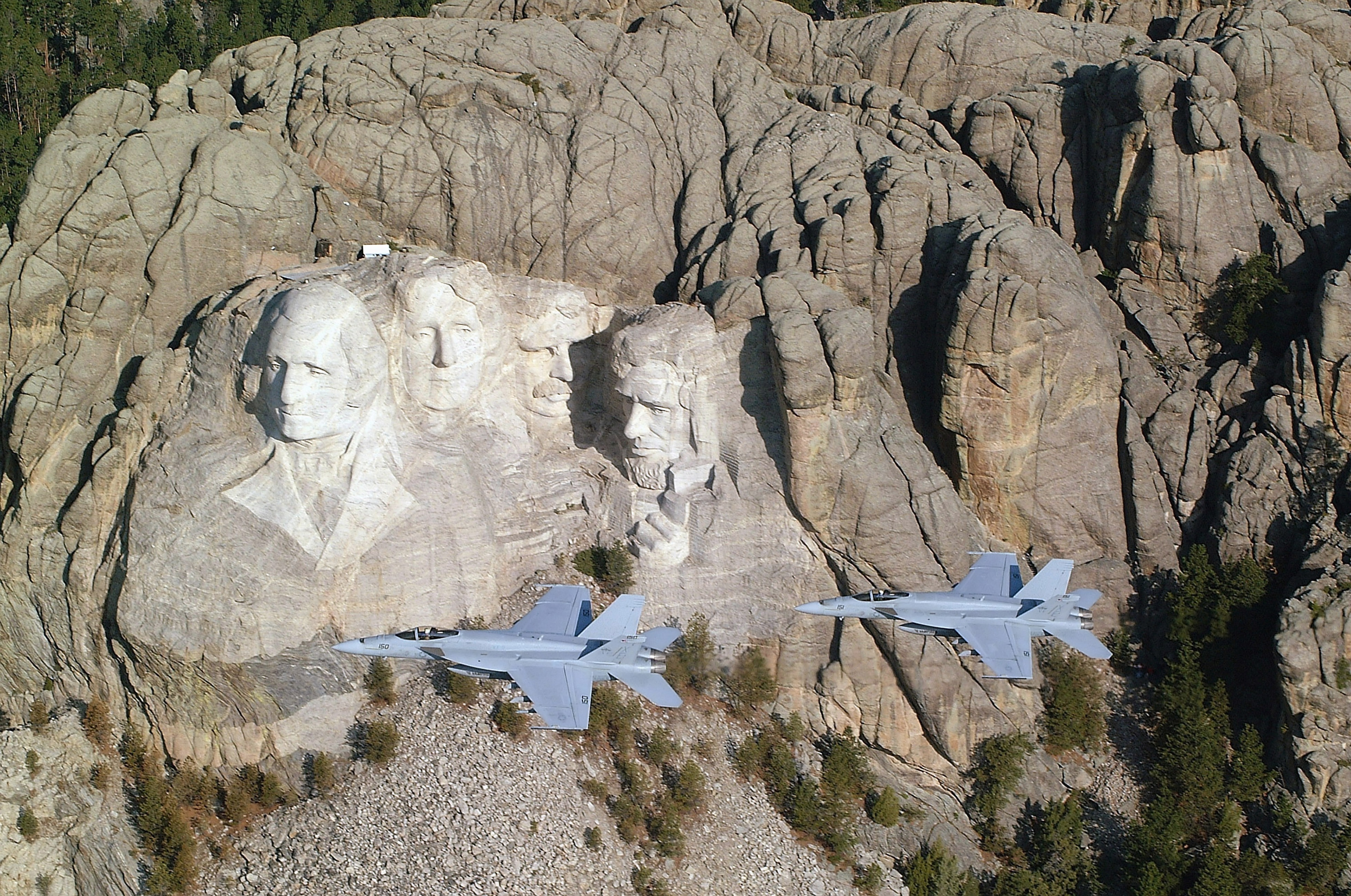
Here is one of the photos used to create the fake Mount Rushmore image. Use online tools and techniques to see if you can find it on the Web. How else can you determine if a photo is real? Toby Bochan of Storyful recommends using Google Earth to view locations where an image appears to originate.
Subscribe to:
Posts (Atom)