Wednesday, March 6, 2019

In Your Dreams

TFK Kid Reporter Roman Peterson


PARAMOUNT ANIMATION AND NICKELODEON MOVIES

The new animated film Wonder Park tells the story of Wonderland, an adventure-filled amusement park that June and her mother create in their imagination. The park is inhabited by a crew of furry friends, including beaver brothers Cooper and Gus. The brothers act as the park’s “builders,” constructing the rides that June and her mom dream up.

Actor and comedian KENAN THOMPSON voices Gus. Just as June uses her imagination to construct Wonderland, Thompson used his imagination to bring an animated beaver to life on the big screen. How did he prepare for the role? “I thought about what I know about beavers—that they’re kind of high-energy,” he told TFK Kid Reporter Roman Peterson.

Thompson says his favorite thing about the movie is its magic. “It’s all about the imagination,” he says. “Imagination is a powerful thing.”Wonder Park hits theaters March 15.

Tuesday, March 5, 2019

Cary Ashby to Visit Willard City Schools - By Hanna Wiles

Related image
Cary Ashby is an author, comic fan, and Norwalk Reflector reporter. This Thursday, March 7th Cary will be a visiting our school as a guest speaker for grades 6-8th. He will talk about his experiences with being a reporter, what it’s like to be an author, and about comic-books. Later that evening you can come to the Elementary cafeteria from 6-7:30 pm with your families to hear more from Cary. There will be pizza, drinks, and dessert. Make sure you prepare your questions for a great discussion!

Daily Announcements


Saturday, March 2, 2019

Engineering Our World

By Allison Singer, Constance Gibbs and Kio Herrera


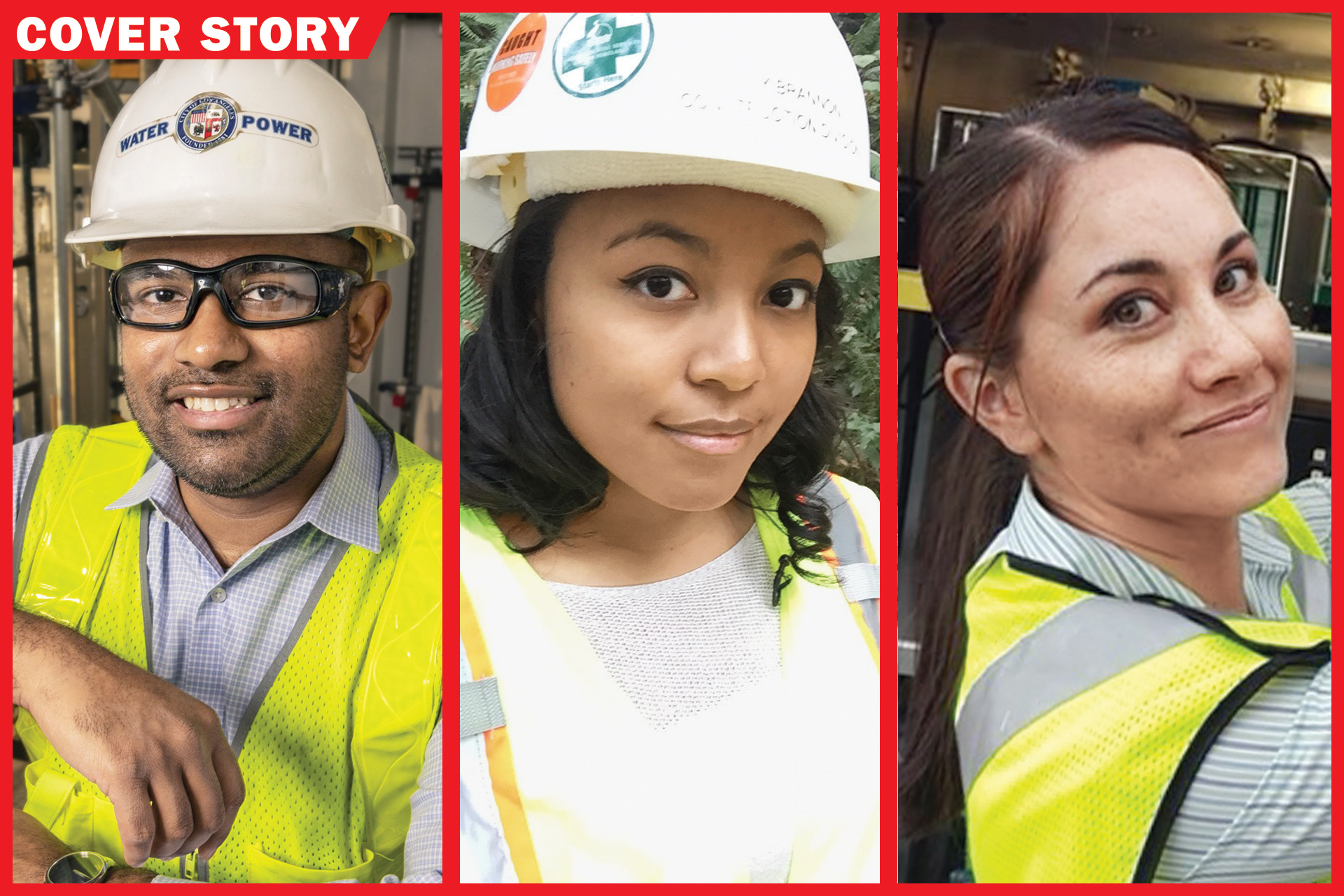
LEFT TO RIGHT: CHRIS CORSMEIER, LADWP; COURTESY JAY BRANNON; COURTESY YUNG KOPROWSKI

“We’re called civil engineers because we engineer civilization.” These are the words of Yung Koprowski, one of the many civil engineers who design, build, and maintain the infrastructure of our towns and cities.

Civil engineers specialize in different things, and each type of civil engineer contributes to society in a unique way. But all of them serve a common purpose: to help people. TIME for Kids spoke with three civil engineers to find out what they do and how they help our communities survive and thrive.
On the Move


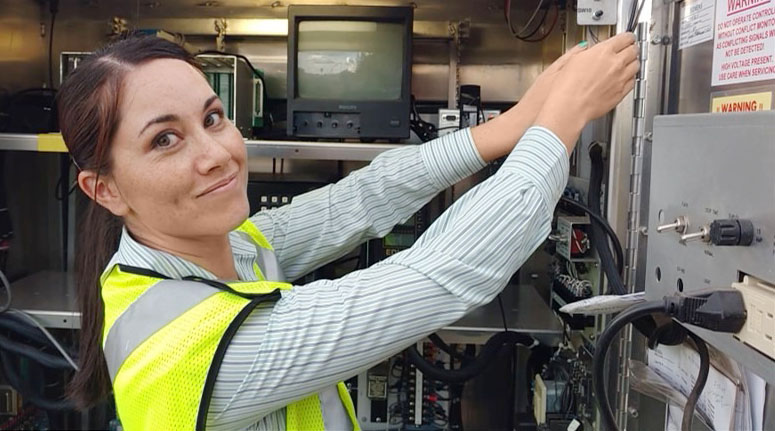
COURTESY YUNG KOPROWSKI

The roads in your town didn’t appear by magic. They are the result of careful planning by transportation engineers, like Yung Koprowski. “We make it safer and easier for people to travel to the places where they live, work, and play,” she told TFK. Koprowski works in the Phoenix, Arizona, area. There, she plans new transportation systems and finds ways to improve existing ones.

Transportation engineers have a lot to think about, from road signs and markings to traffic-signal timing. They are also responsible for planning bike lanes and sidewalks. While advanced math and science expertise are needed for this work, Koprowski says problem-solving is one of the most critical skills. “We do a lot of writing and research,” she says. Creativity and design are important, too. Koprowski enjoys designing visuals to explain complex plans and concepts to the public, as well as to the elected officials who need to approve them.


SAFETY FIRST Transportation engineers make sure roadways, like these in Phoenix, are efficient, so drivers can travel safely.

MOREY MILBRADT—GETTY IMAGES

Her advice for future engineers? “Don’t be hesitant to think outside the box and apply your own ideas and solutions,” she says. “Engineering is making mistakes. It’s okay to fail as long as you don’t stop trying.” —By Allison Singer
Trailblazer


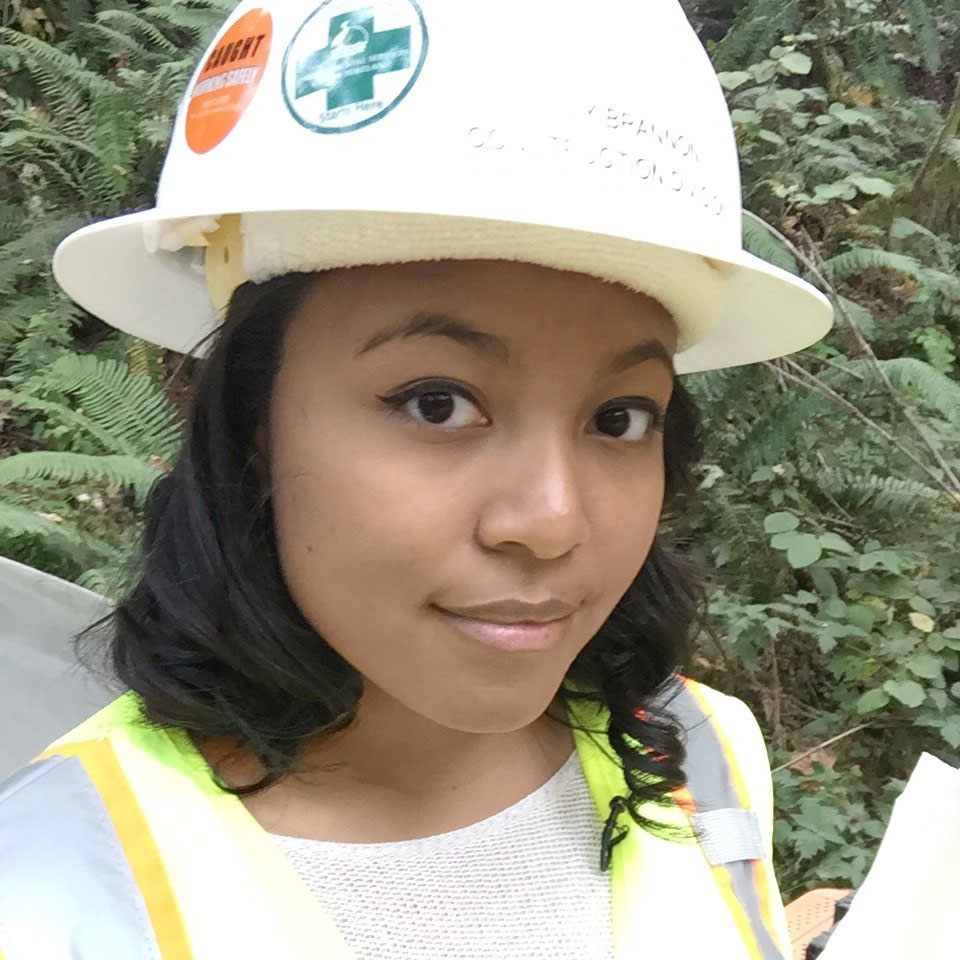
COURTESY JAY BRANNON

Jay Brannon is an environmental engineer. She manages the construction of public water systems for the city of Portland, Oregon. This means she works on pipes that move water beneath the city. Recently, she oversaw the rebuilding of a pipe under a hiking trail in Forest Park. The pipe allows stormwater to flow underground so it doesn’t wipe out the trail. To complete the project, Brannon worked with designers, geologists, architects, and contractors. “All of these people have really different communication styles,” she told TFK.

According to Brannon, being a woman of color in the engineering field comes with challenges. “There are not many of us, so it can be frustrating,” she says. One of Brannon’s goals is to make engineering more accessible. To do this, she is working on a book to inspire students of color to pursue a career in engineering. “That representation is really important,” she says. —By Constance Gibbs
Master Builder


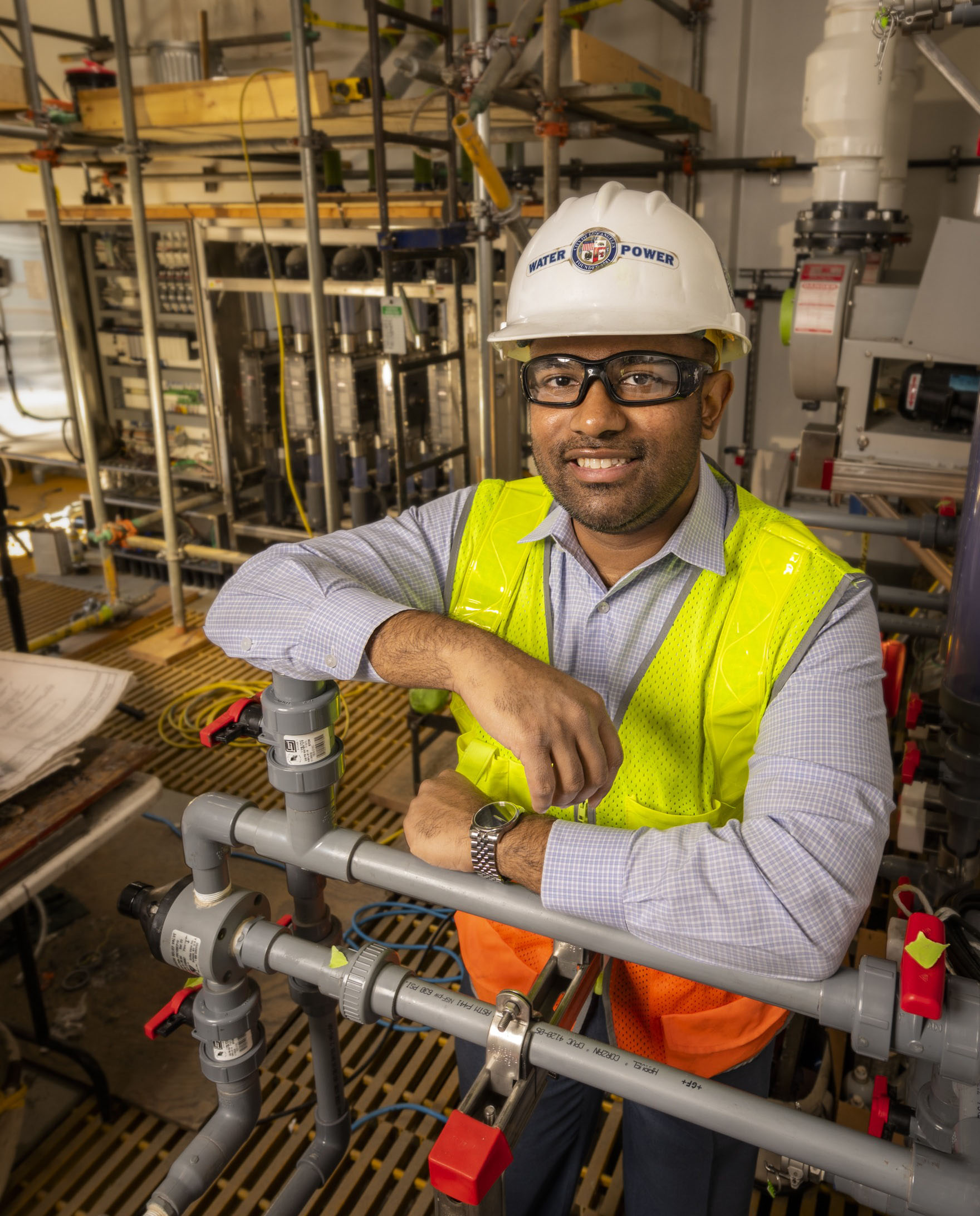
CHRIS CORSMEIER, LADWP

When Ruwanka Purasinghe was in middle school, he built a theme park in his bedroom. It was made of Lego bricks. “That was definitely one of the moments when my dad thought I would grow up to be an engineer,” he told TFK.

Purasinghe says he knew about engineering as a kid. His father was a professor of civil engineering. “But I wasn’t really sure I wanted to do that for the rest of my life,” he admits. While in college, he traveled to Italy. “Seeing the ancient aqueduct system that served the people of Rome and is still being used today really opened my eyes to this career,” he says.

Now, Purasinghe is a geotechnical engineer for the Los Angeles Department of Water and Power. He comes up with solutions, such as pipe systems and aboveground tanks, to water-supply problems. This work is especially important when the city is facing a drought. For inspiration, he looks to the past. “Civil engineers have been solving problems for thousands of years,” he says. “I enjoy thinking of ways to help future generations.” —By Kio Herrera

To see these engineers in action, watch the videos from NBC News Learn in the paired texts below.

Assessment: Click here for a printable quiz.

Friday, March 1, 2019

Willard High School Orchestra Contest

On Saturday, February 23rd, the Willard High School Orchestra, directed by Mrs. Rebecca Plotner, went to state contest at Perrysburg High School for the second consecutive year. The orchestra received a superior rating, which is the highest overall rating. In order to go to state contest, the orchestra must prepare three pieces to perform in front of three judges. Each of the judges gives notes as to what was positive about the performance and areas that the group needs some work. They then give the orchestra a rating. The orchestra then moves to sight reading, where they are required to perform a piece that they’ve never seen before. There is also a judge there that rates them. The judges combine the scores they gave to give an overall rating to the group. Willard High School Orchestra received three superior ratings, and one excellent.

This year, there were three eighth graders that joined the high school orchestra: Lucille Molloy and Rebecca Honaker-who play the cello-and Naomi Schag-who played with the group last year as well and plays the violin- had the opportunity to move up from middle school orchestra and portray their talents in the more advanced group. All three have been thrilled to participate in the group, although the music is much harder and provides them a challenge. One of their favorite activities to participate in was the Christmas Tour, where they spent the day performing recognizable Christmas songs for Willard Elementary, St. Francis, and Celeryville. They have worked very hard this year on their instruments and cannot wait to see what musical future awaits in the Willard High School Orchestra!

TFK Explains: National Emergencies

By Brian S. McGrath

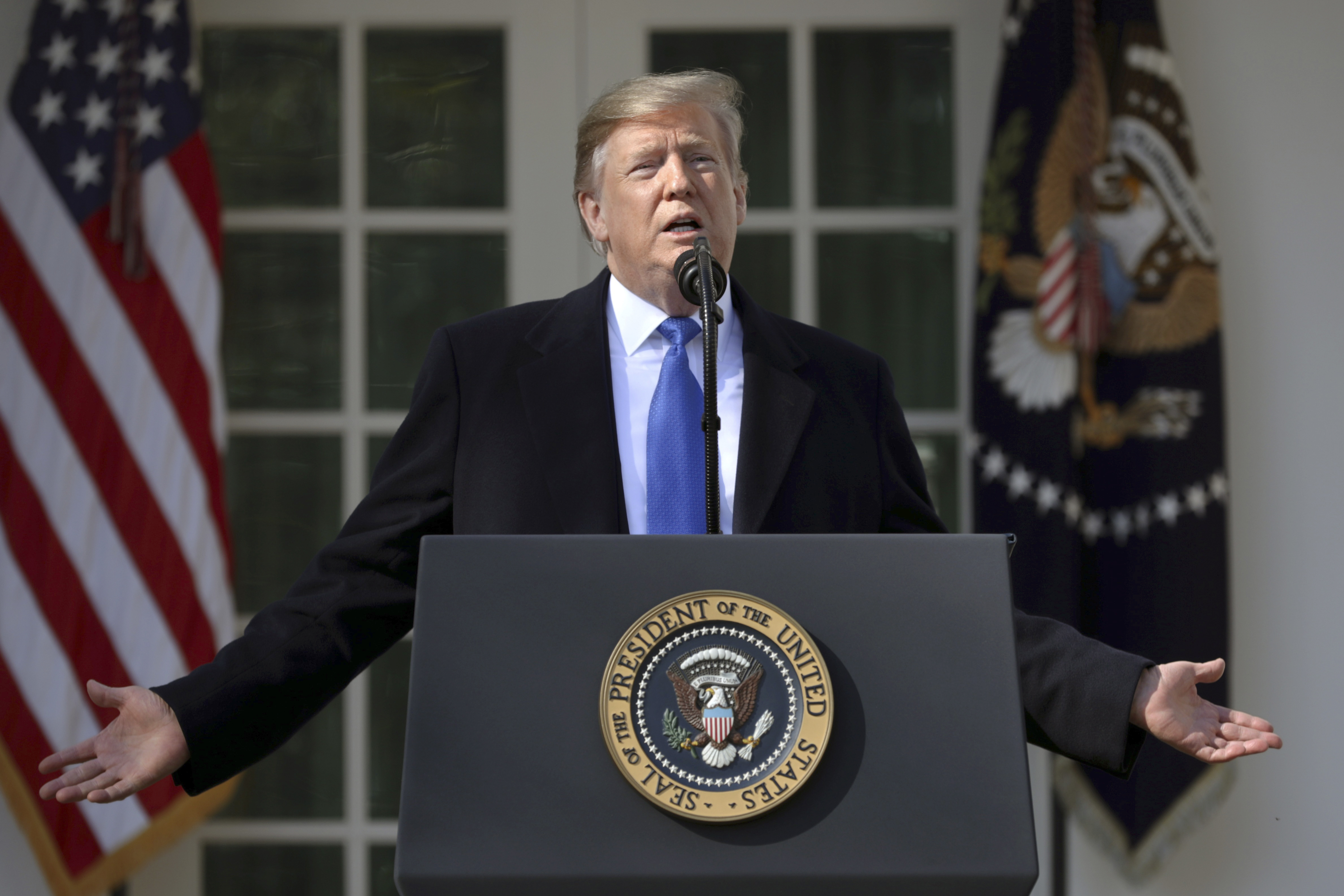
At the White House on February 15, 2019, President Trump declares a national emergency.
CHIP SOMODEVILLA—GETTY IMAGES


President Donald Trump declares a national emergency on the U.S.-Mexico border.

What is a national emergency?

In 1976, Congress passed the National Emergencies Act, which allows a president to declare a national emergency if he or she thinks there is a threat to the country’s security. An emergency declaration gives a president special powers to deal with a crisis.

Why did President Trump declare a national emergency?

At a press conference, Trump said, “[We need to] confront the national security crisis on our southern border.” He wants to fund construction of a border wall without getting approval from Congress. On February 14, Congress passed a bill that included about $1.4 billion for border barriers. Trump wanted $5.7 billion. By declaring an emergency, he could build the wall with money meant for other projects. “I didn’t need to do this,” Trump said, noting that he could have waited to secure funding. “But I’d rather do it much faster.”

What can Congress do?

Many Congress members fear that Trump is setting a bad example. They worry that future presidents could declare national emergencies in order to get around the government’s system of checks and balances.

Congress could pass a resolution rejecting the president’s declaration. It would likely be vetoed by the president. Congress could then vote to override the veto. But that won’t happen if most Republican lawmakers decide to support the president.

What other challenges does the president face?

A group of 16 states filed a lawsuit to block the president’s emergency declaration. They say the situation is not a true emergency. They argue that Trump does not have the power to take money meant for other projects in order to pay for a border wall. Other groups suing the president include the American Civil Liberties Union, Texas landowners and environmentalists, and wildlife protection organizations. Some Democrats in Congress may also sue.

The legal process could take a long time. Construction on the wall will probably not begin until the court cases are decided.

Have other presidents declared national emergencies?

Yes. Since 1979, presidents have declared 59 national emergencies. Of those, 31 are still in effect. President George W. Bush declared an emergency after the terrorist attacks on September 11, 2001. But Trump’s declaration is different from those made in the past. It is the first to use emergency powers to obtain funding denied by Congress.